
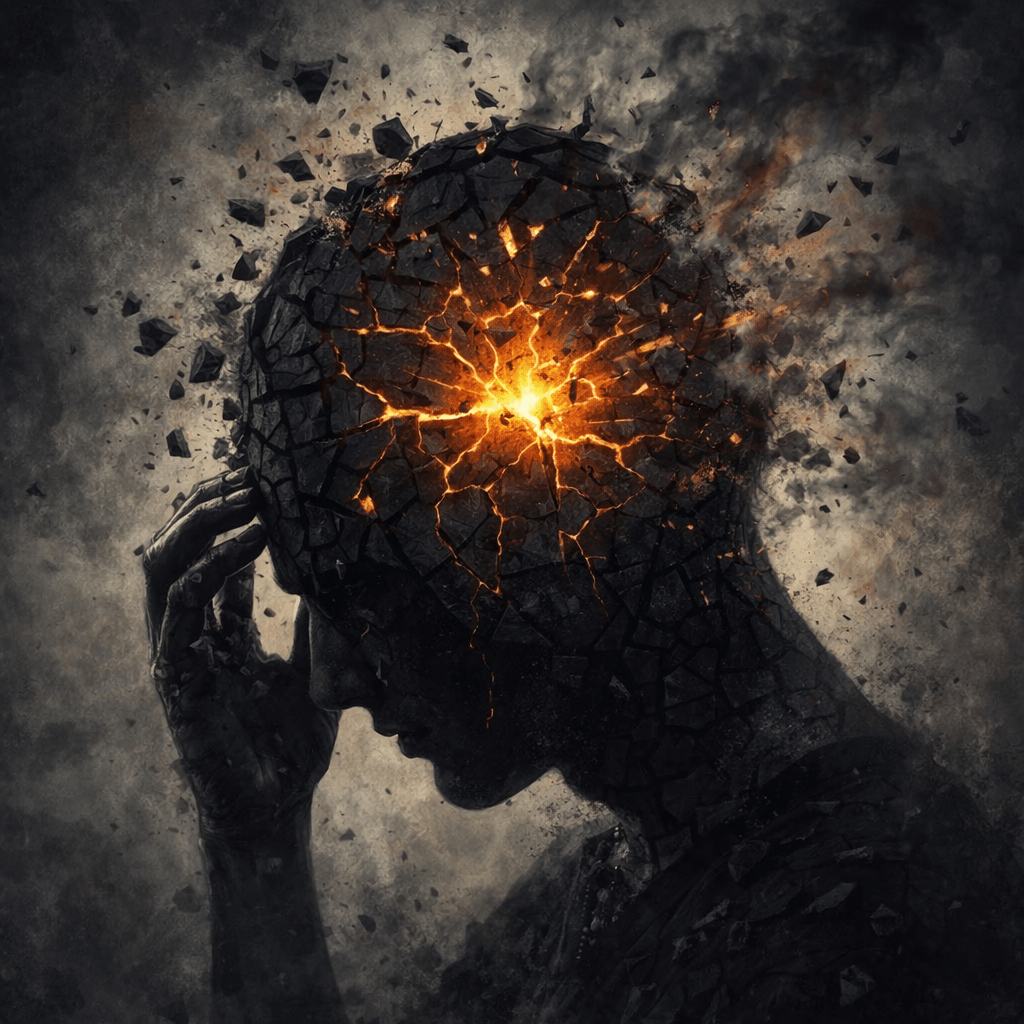
A growing awareness of the mental health crisis in the Maltese Islands seems to be taking place. This is a relief. Mental health has been side-lined by public policy with only minor improvements over the past years.
In a national research conducted by the Richmond Foundation to monitor the psychological wellbeing of the nation, it was found that around 33% of the Maltese population were concerned about their own mental well-being, whilst over 40% were concerned about the mental health of someone close to them. The long span of the Covid-19 pandemic was a further blow to an aching wound and an eye-opener to the reality of the crisis, which in the own words of psychiatrist Dr Anton Grech, ‘the impact of mental health was proving to be the most pronounced challenge for people of all ages with a dramatic demand for therapeutic services.’
Mental health encompasses emotional, psychological, and social well-being, influencing cognition, perception, and behaviour. According to the World Health Organization, it is a ‘state of well-being in which the individual realises his or her abilities, can cope with the normal stresses of life, can work productively and fruitfully, and can contribute to his or her community’.
Therapy for wellness, apart from medication, often includes mental, emotional, physical and social well-being psychotherapy support but often neglects the spiritual aspect which is so important to a holistic well-being.
Spiritual wellbeing is the ability to experience meaning and purpose in life through a connection to oneself, through a core belief by faith in a power greater than oneself. It is known to be the most powerful sources of strength, inspiration, and motivation on the journey of recovery and healing. Tapping into our Soul’s essence can help us connect with a more spiritual way of being and certainly helps in lowering anxiety, stress and depression levels and cultivating more gratitude and positivity.
Spirituality as part of the healing process resonates Christ’s call “Come to me, all you who are weary and burdened, and I will give your rest” (Matthew 11:28). Seeking spiritual guidance from authentic Christian sources and spiritual guides may prove beneficial and compliments professional forms of therapy.
Faith and mental health are interconnected aspects of human well-being that can significantly influence each other. Faith often offers hope, comfort and coping mechanisms during challenging times. Having faith in God, a supreme divine being greater than oneself, can provide solace and resilience. Religion and spirituality provide people with a sense of structure, purpose, and belonging. Having a community of like-minded individuals can positively impact mental help by reducing feelings of isolation and loneliness.
Faith can offer unique benefits that traditional treatments may not provide. It addresses the whole person, including their spiritual dimension.
In summary, faith can play a significant role in mental health by providing hope, community, coping mechanisms, and a sense of purpose. While the inclusion of faith in therapy remains a complex issue, recognising its potential benefits is essential for holistic well-being.
Faith in healing is about trusting in God’s power, declaring healing through prayer, and maintaining a holistic perspective that integrates faith into the healing journey. As proclaimed in Psalm 147:3: “He heals the broken-hearted and binds their wounds.”
(Published in Sunday Times of Malta – April 2026 – Gordon Vassallo)

Leave a comment